
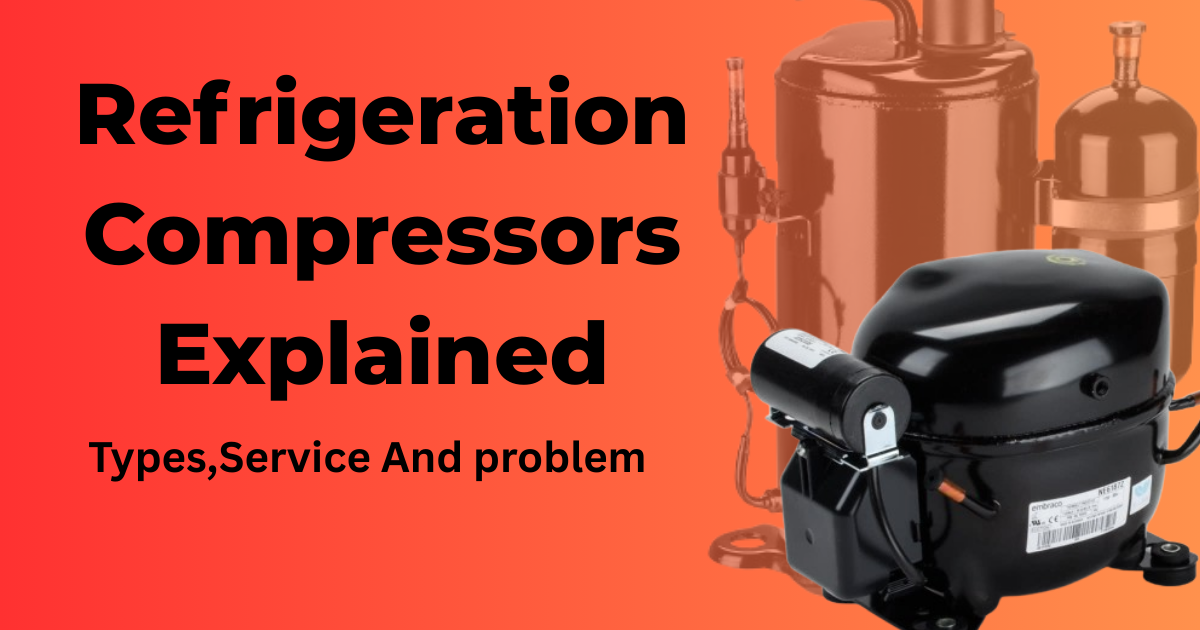
Refrigeration Compressors: Types, Problems & Maintenance (2026)
Refrigeration compressors are the core component of every commercial and industrial cooling system. Whether it is cold storage, food processing, pharmaceutical refrigeration, or large HVAC installations, compressor performance directly affects energy consumption, system reliability, and long-term operating cost.
This guide is designed for business owners, purchase managers, and technicians who need clear, experience-based information to make correct decisions in 2026 and beyond.
Table of Contents
- What Is a Refrigeration Compressor and How It Works
- Types of Refrigeration Compressors
- Common Refrigeration Compressor Problems
- How to Choose the Right Refrigeration Compressor
- New vs Refurbished Refrigeration Compressors
- Refrigeration Compressor Maintenance Best Practices
- Latest Refrigeration Compressor Trends (2026)
- Why Choosing the Right Supplier Matters
- Frequently Asked Questions
- Final Thoughts
What Is a Refrigeration Compressor and How Does It Work?
A refrigeration compressor converts low-pressure refrigerant vapor into high-pressure gas, allowing heat to be released through the condenser and cooling to occur inside the evaporator.
Key points
- Without a compressor, refrigeration is impossible
- Compressor efficiency controls cooling speed and electricity usage
- Incorrect compressor sizing leads to high power bills and early failure
For commercial and industrial systems, compressor selection is a business-critical decision, not just a technical one.
Types of Refrigeration Compressor
Different applications require different compressor technologies. The correct choice depends on load pattern, operating hours, and temperature range.
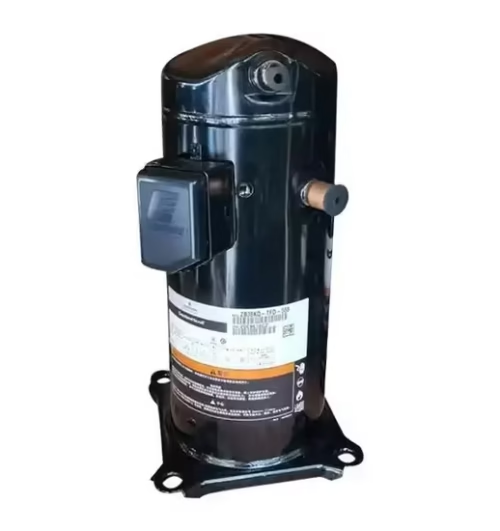
Scroll Compressors
- Quiet and vibration-free operation
- High energy efficiency
- Ideal for commercial refrigeration and HVAC systems
Scroll compressors are preferred where low noise and consistent efficiency are required, especially in retail and commercial buildings.
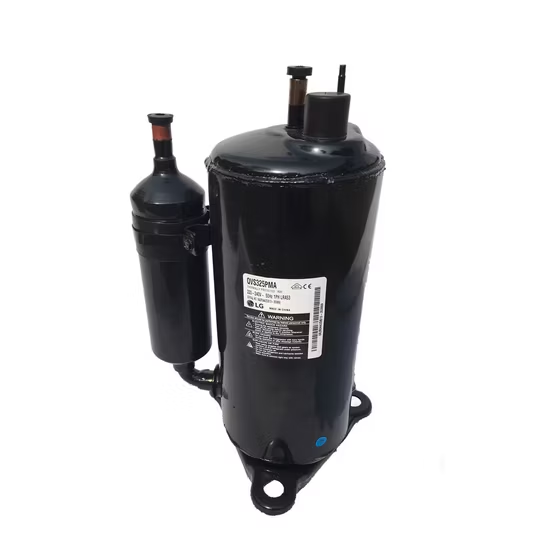
Rotary Compressors
- Compact and economical
- Suitable for light to medium cooling loads
- Common in small cold rooms and packaged refrigeration units
Rotary compressors work best where space and budget are limited.
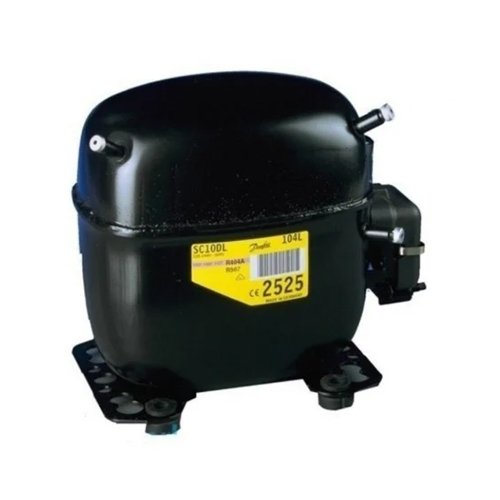
Reciprocating Compressors
- Strong performance under fluctuating load
- Easy to repair and service
- Widely used in industrial refrigeration
These compressors are reliable in applications where load changes frequently.
Screw Compressors
- Designed for continuous, heavy-duty operation
- High cooling capacity
- Common in large cold storage and processing plants
Screw compressors are preferred for 24/7 industrial refrigeration environments.
Scroll vs Rotary vs Reciprocating Compressors
When selecting between scroll, rotary, and reciprocating compressors, the decision should be based on noise level, load variation, serviceability, and operating hours. Scroll compressors suit steady commercial loads, rotary compressors fit compact packaged systems, while reciprocating compressors perform well in variable industrial conditions. Understanding these differences helps avoid underperformance and premature compressor failure.
Common Refrigeration Compressor Problems You Should Never Ignore
Most compressor failures develop gradually and show warning signs before complete breakdown.
Common problems include
- Compressor running but not cooling
- Overheating caused by oil or lubrication issues
- Electrical tripping and short cycling
- Refrigerant leakage
- Oil contamination and foaming
Ignoring early symptoms often results in complete compressor damage, long downtime, and high replacement costs.
Compressor running but not cooling
If a refrigeration compressor is running but cooling performance is poor, the root cause is often incorrect refrigerant charge, expansion valve malfunction, or internal compressor wear. Identifying these issues early through pressure readings and temperature checks prevents unnecessary compressor replacement and system damage. Visit Us For Compressor Problem Guide.
How to Choose the Right Refrigeration Compressor
Selecting the wrong compressor increases energy consumption and reduces system life.
Key selection factors
- Required cooling capacity (TR / HP)
- Application type (cold storage, freezer, chiller, HVAC)
- Operating temperature range
- Energy efficiency and power quality
- Budget for new or refurbished compressors
India-specific considerations
- Voltage fluctuations
- High ambient temperatures
- Availability of service engineers and spare parts
A properly selected compressor ensures stable cooling and predictable operating costs.
Choosing compressors for cold storage and commercial use
For cold storage and commercial refrigeration projects, compressor selection must account for peak load, insulation quality, ambient temperature, and operating hours. Choosing a compressor only by price often leads to higher electricity bills and frequent breakdowns, while correct sizing ensures long-term efficiency and reliability.
New vs Refurbished Refrigeration Compressors
Refurbished refrigeration compressors are increasingly popular among cost-focused businesses.
Benefits of refurbished compressors
- 30–50% lower cost compared to new units
- Faster delivery
- Reduced environmental impact
- Suitable for many commercial and industrial applications
However, reliability depends entirely on testing quality, replaced components, and supplier expertise.
Refurbished compressor buying considerations
Before purchasing a refurbished refrigeration compressor, businesses should verify testing reports, replaced internal components, oil condition, and warranty coverage. A professionally refurbished compressor can deliver performance close to new units when sourced from an experienced supplier.
Refrigeration Compressor Maintenance Best Practices
Preventive maintenance can extend compressor life by 40–60%.
Recommended maintenance actions
- Regular oil level and oil quality inspection
- Cleaning condenser coils
- Monitoring suction and discharge pressure
- Checking electrical connections and motor current
- Timely oil and filter replacement
Documented maintenance schedules reduce unexpected failures and protect capital investment.
Maintenance checklist for longer compressor life
A structured refrigeration compressor maintenance checklist helps technicians identify performance deviations early. Routine inspections, pressure logging, and oil analysis significantly reduce breakdown risk and improve overall system efficiency.
Latest Refrigeration Compressor Trends (2026)
The refrigeration industry is changing due to energy regulations and sustainability goals.
Key trends
- Inverter and variable-speed compressors
- Compatibility with low-GWP refrigerants
- Smart diagnostics and IoT-based monitoring
- Growing demand for refurbished and sustainable solutions
Businesses adopting modern compressor technology benefit How To Prevent Compressor
2026 refrigeration compressor technology trends
Energy-efficient compressor designs, smart monitoring systems, and low-GWP refrigerant compatibility are shaping refrigeration projects in 2026. Companies investing in these technologies gain improved reliability and reduced long-term expenses.
Why Choosing the Right Supplier Matters
A refrigeration compressor is only as reliable as the support behind it.
An experienced supplier provides:
- Correct compressor selection
- Application-specific technical guidance
- Genuine parts and proper testing
- Long-term service and performance support
This expertise is especially critical for industrial and commercial refrigeration systems.
Frequently Asked Questions
Which compressor is best for cold storage?
Screw compressors for large facilities and scroll compressors for medium loads are commonly preferred.
How long does a refrigeration compressor last?
With proper maintenance, 10–15 years or more.
Are refurbished compressors reliable?
Yes, when sourced from a professional supplier with testing and warranty.
How do I know my compressor is failing?
Unusual noise, reduced cooling, overheating, and frequent electrical trips are common signs.
Final Thoughts
A refrigeration compressor is a long-term investment, not a short-term purchase. Understanding compressor types, common problems, correct selection, and preventive maintenance allows businesses to reduce downtime and operating costs.
Whether choosing a new or refurbished refrigeration compressor, informed decisions and expert support ensure efficient, reliable, and sustainable cooling performance.
-
Copeland CR36K6-PFZ Reciprocating Compressor
Original price was: ₹15,000.00.₹11,000.00Current price is: ₹11,000.00. -
Scroll Compressor ZR108
Original price was: ₹35,000.00.₹33,000.00Current price is: ₹33,000.00. -
0.75 Ton R-22 Rotary Compressor | High Efficiency AC Compressor | CR Technology